Brand Deals Aren’t Dead — But the Rules Have Changed
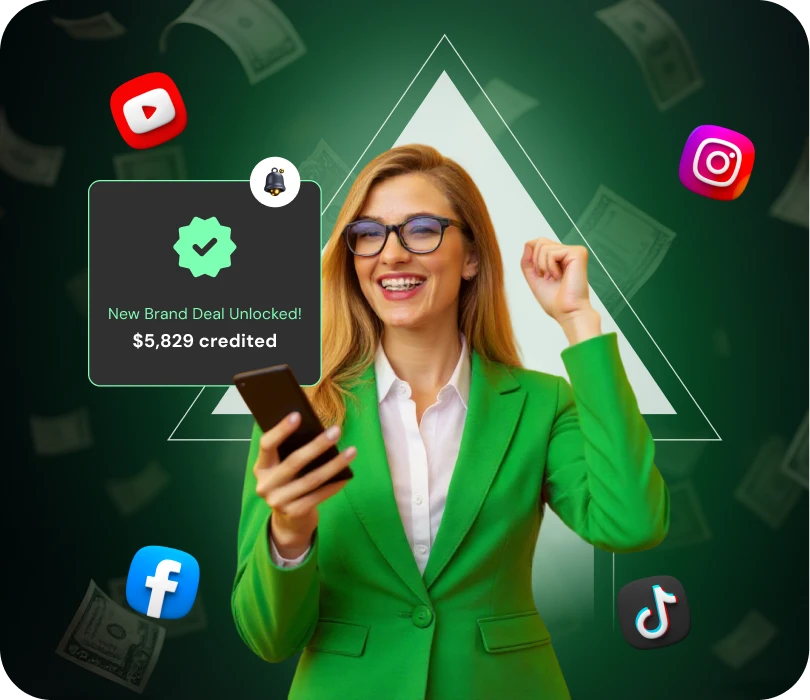
For years, creators viewed brand deals as the golden ticket—one sponsored Instagram post here, a YouTube shout-out there, and suddenly you’re earning. However, the creator economy has evolved. Today, understanding how to get brand deals means thinking beyond one-off promotions. Brands now prioritize strategic, data-driven, long-term partnerships with creators who can consistently deliver engagement, trust, and measurable results.
Understanding how to get brand deals now goes beyond follower count. Brands look for consistent engagement, audience trust, content quality, and measurable results. Creators who adapt to this shift and position themselves as long-term partners are far more likely to secure sustainable and high-value collaborations.
Here’s the blunt truth: Follower count no longer equals guaranteed income.
Brands aren’t impressed by “500K followers” anymore. Algorithms shift, reach tanks, and sponsored posts disappear in the feed before anyone notices. The creators winning in 2025 are the ones who’ve stopped being just influencers — and started acting like media companies.
What Brands Want From Creators (and Why Follower Count Isn’t Enough)
Brands are frustrated. They’re investing money into influencer campaigns but struggling to answer the question: “Did this actually drive results?”
Most creators today still can’t give brands what they truly want:
Proven conversions — not just likes or comments
Audience segmentation — helps creators target specific interests more effectively, making it easier to grow and monetize clearly defined content creator niches.
First-party audience data (email addresses, purchase history, demographics)
Content longevity — not just a 24-hour Story that disappears
This is why even nano influencers with strong engagement and creator-owned audiences can beat larger influencers in securing deals.
Why First-Party Data = Your New Leverage in Brand Deals for Creators
Imagine being able to say on a pitch call: “I can send your product to 5,000 subscribers with a 38% open rate, segment the audience by interest, and track purchases in real time.”
That’s not just a sponsored post—it’s a full co-marketing campaign with measurable ROI. Brands are willing to invest more because you deliver something the Instagram algorithm can’t replicate: authentic, direct access to a highly engaged audience built on trust.
How POP.STORE Helps Creators Win Bigger Brand Deals and Partnerships
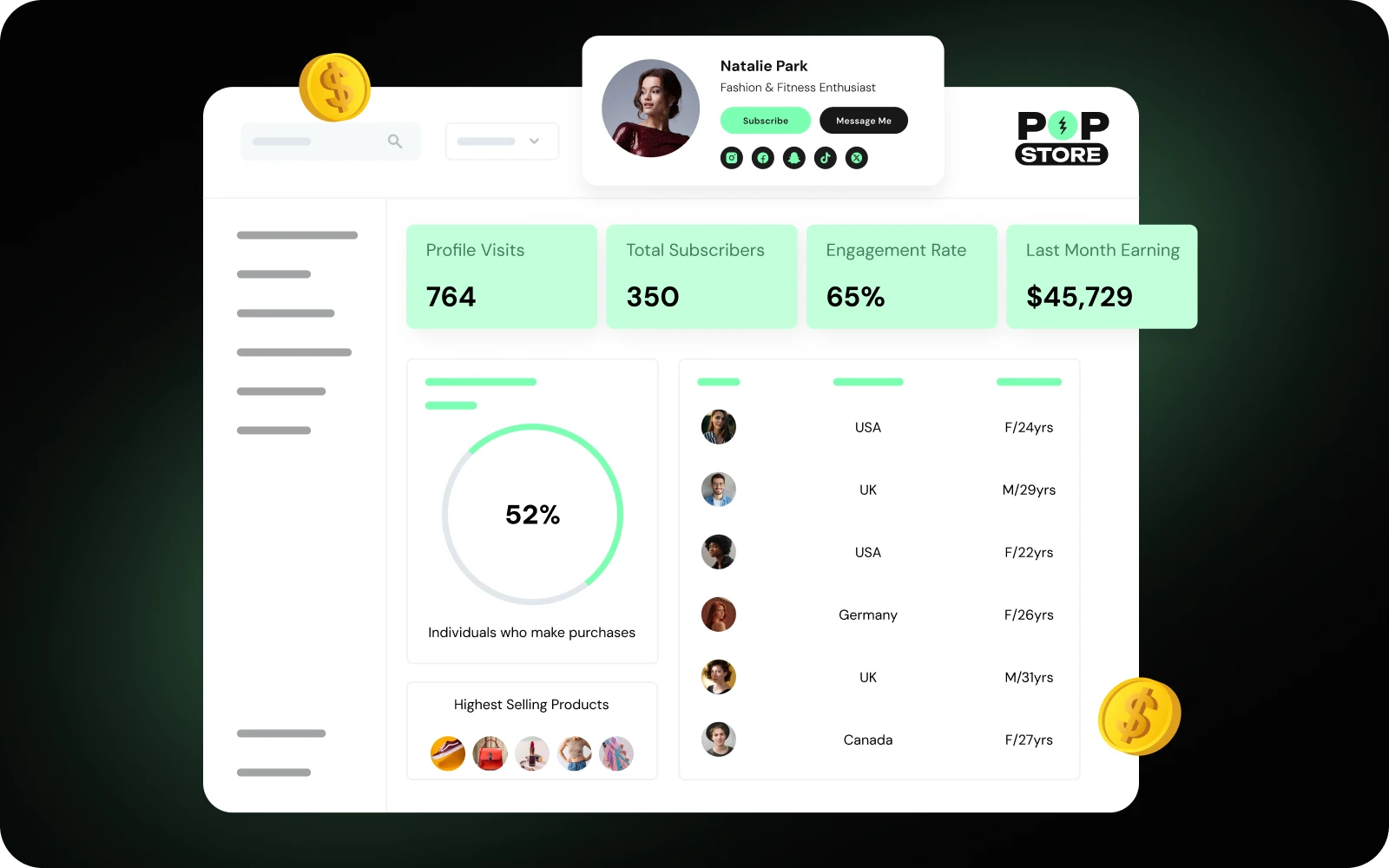
With POP.STORE, every click, download, tip, or booking is tracked — giving you full first-party data on every interaction.
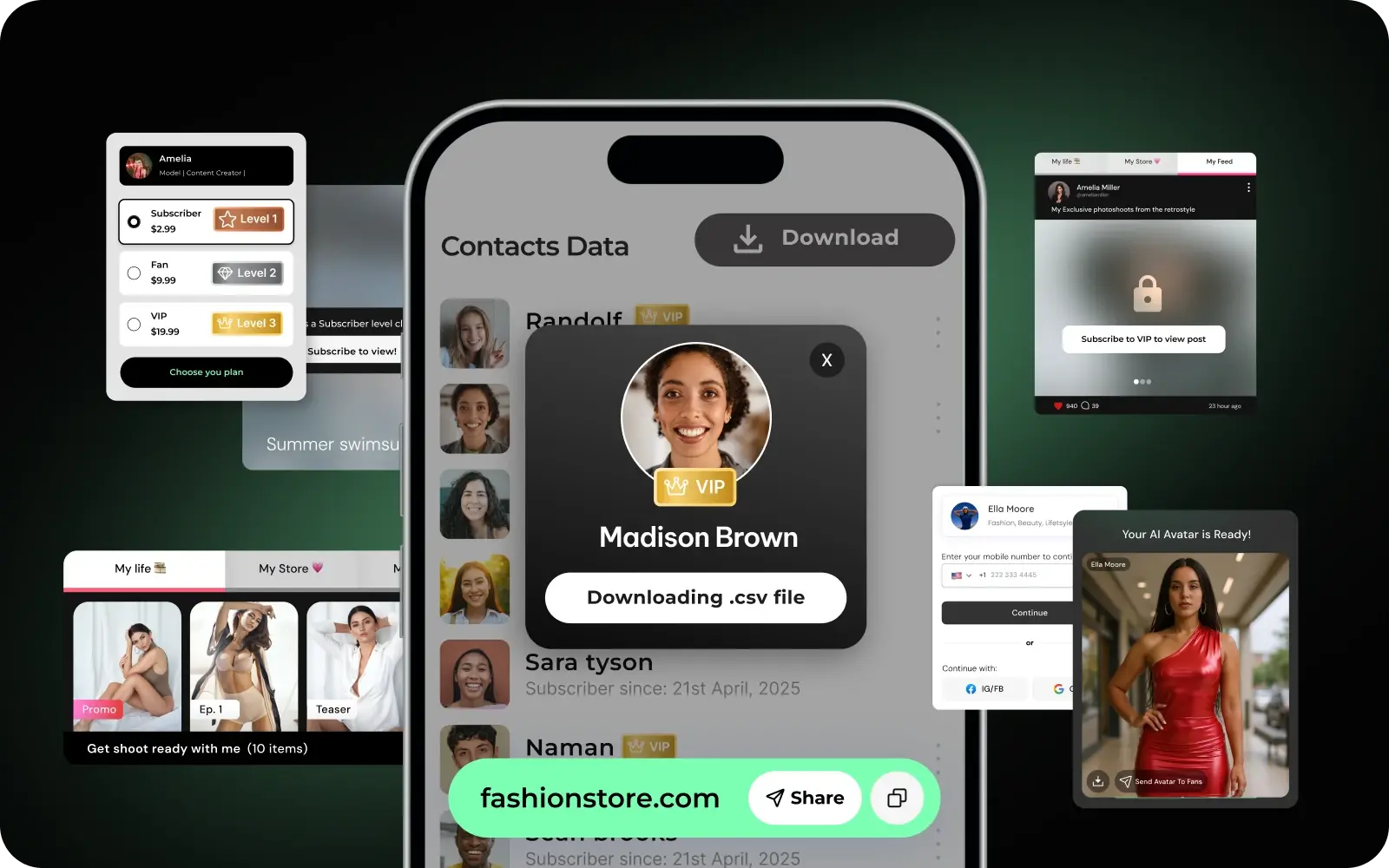
✨ You own it. POP.STORE lets you download and export your audience data anytime.
✨ You can share it with brands. Show them exactly how many people engaged, clicked, or purchased — with real contact info and behavior insights.
✨ You prove your value. Brands trust creators who bring conversion data + campaign reporting to the table.
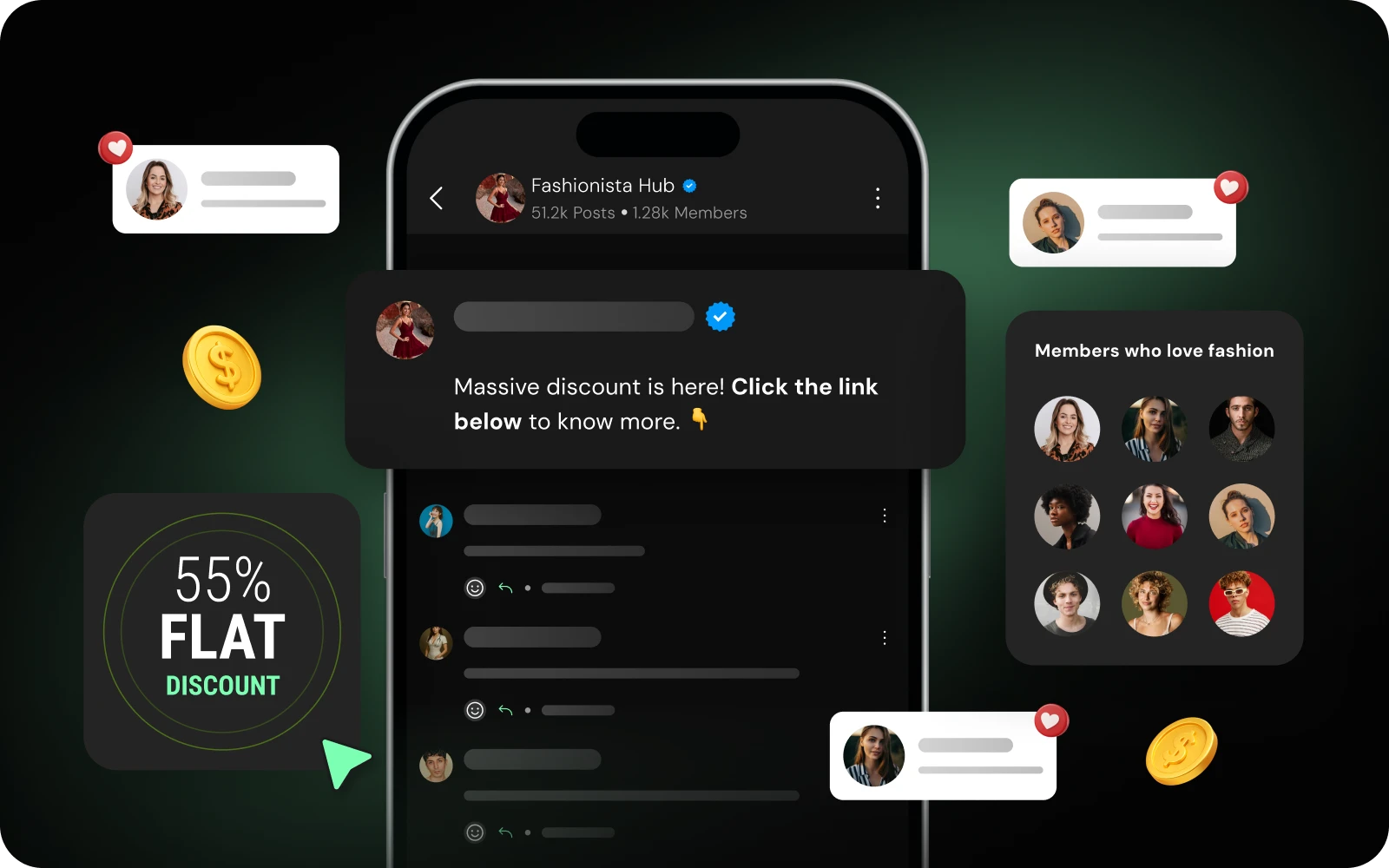
✨ You get AI-powered segmentation. POP.STORE shows you what your fans like, where they’re from, and how they behave.
✨ You send smarter offers. After segmenting, you can target the right fans with the right content — like sending a red t-shirt drop only to fans who already engage with fashion. That means higher conversions for you and more impact for the brand with the brand deals.
This is why POP.STORE isn’t just another link in bio tool — it’s a creator monetization hub + brand confidence builder that makes you look like a pro.
From Feed to Ecosystem: Building a Creator Monetization Machine
The top creators aren’t just “posting content” — they’re building ecosystems where every interaction becomes an opportunity to monetize and capture data.
Instead of asking fans to “join my newsletter” (which often feels spammy or gets ignored), creators give fans a real reason to share their info — whether it’s a free download, a behind-the-scenes video, or an exclusive guide. This simple exchange builds trust, grows owned contact lists, and unlocks new revenue streams.
And here’s the real power move: every tip, download, booking, or purchase is automatically tracked as first-party data. That means creators don’t just grow their fanbase — they own it, with direct access to emails and numbers they can segment, monetize, and present to brands as proof of real engagement.
Why Creators Love It
Fans get real value (downloads, guides, or exclusive content) in exchange for their info.
Every action — tips, downloads, bookings, purchases — is captured as first-party data.
Creators can show brands the exact engagement and conversions they drive, backed by data that matters.
With AI-powered segmentation, creators can send targeted offers to the right fans (like pushing merch to buyers who’ve already engaged with similar drops) — maximizing sales and strengthening brand deals and partnerships.
How to Pitch Brands Like a CEO, Not a Creator
Old pitch: “I can post a reel and tag you.”
New pitch: “I can create an exclusive, gated POP.STORE post featuring your product, send it to my 4,000 engaged subscribers, and include your CTA in the post-purchase email of my best-selling product. After the campaign, I’ll share a full report with clicks, conversions, and audience data.”
💥 That’s the difference between a $300 sponsored post and a $3,000 partnership package.
Creator Action Checklist: How to Get Brand Deals & Monetize Your Audience
Set up your POP.STORE and gate key content to start building your email list.
Offer at least one high-value freebie — POP.STORE makes it simple to set up and capture new contacts automatically.
No need to manually track data. POP.STORE will build engagement insights (opens, clicks, conversions) into your dashboard.
Soon, you’ll get an auto-generated media kit with your owned audience metrics — ready to share with brands in just a click. (Launching in a few weeks.)
Final Word: Creators Who Own Their Audience Own the Market
The creators dominating in 2025 aren’t waiting for brand deals budgets to trickle down — they’re building creator-owned audiences, monetizing daily, and showing up with conversion data brands crave.
When you stop selling “a post” and start selling a partnership, you’re no longer just part of a campaign. You become the campaign.
💬 Mic-drop quote: "Your audience isn’t your value — your ability to prove what they do is."
FAQ
<details open>
<summary>1. What does “From Creator to CEO” mean in the creator economy?</summary>
<p>It means shifting from just posting sponsored content to running your creator profile like a business — owning your audience, tracking performance data, and offering brands measurable campaign results instead of just exposure.</p>
</details> <details>
<summary>2. Are brand deals still relevant for creators in 2026?</summary>
<p>Yes. Brand deals are still a major income stream, but they’ve evolved. Brands now prefer long-term partnerships with creators who can show engagement data, conversions, and audience insights — not just follower counts.</p>
</details> <details>
<summary>3. Why doesn’t follower count guarantee brand deals anymore?</summary>
<p>Because:</p>
<ul>
<li>Algorithm reach is unpredictable</li>
<li>Fake or inactive followers are common</li>
<li>Brands now focus on ROI (Return on Investment)</li>
<li>Engagement and conversion matter more than audience size</li>
</ul>
<p>A creator with 20K engaged followers can often outperform someone with 500K passive followers.</p>
</details> <details>
<summary>4. What do brands actually want from creators in 2026?</summary>
<p>Brands look for creators who can provide:</p>
<ul>
<li>Proven conversions (sales, clicks, signups)</li>
<li>Audience segmentation insights</li>
<li>First-party audience data (emails, buyer behavior)</li>
<li>Long-lasting content value</li>
<li>Campaign reporting and analytics</li>
</ul>
</details> <details>
<summary>5. What is first-party data and why is it important for brand deals?</summary>
<p>First-party data is audience data you directly own — like emails, phone numbers, purchase behavior, and engagement history.</p>
<p>It matters because:</p>
<ul>
<li>Brands trust direct audience access more than social reach</li>
<li>It proves real engagement</li>
<li>It allows precise targeting</li>
<li>It increases deal value and long-term partnerships</li>
</ul>
</details> <details>
<summary>6. How does POP.STORE help creators secure bigger brand deals?</summary>
<p>POP.STORE helps creators:</p>
<ul>
<li>Capture first-party audience data</li>
<li>Track clicks, downloads, purchases, and engagement</li>
<li>Export audience insights for brand pitches</li>
<li>Use AI segmentation to target offers</li>
<li>Build proof-based media kits</li>
</ul>
<p>This makes creators look like marketing partners, not just promoters.</p>
</details> <details>
<summary>7. Can small creators still get brand deals?</summary>
<p>Yes. Many brands now prefer:</p>
<ul>
<li>Niche creators</li>
<li>High engagement communities</li>
<li>Strong trust with followers</li>
<li>Clear audience identity</li>
</ul>
<p>Nano and micro creators often convert better than large creators.</p>
</details> <details>
<summary>8. How can creators prove ROI to brands?</summary>
<p>Creators can show:</p>
<ul>
<li>Email open rates</li>
<li>Click-through rates</li>
<li>Conversion numbers</li>
<li>Purchase tracking</li>
<li>Audience demographics</li>
<li>Campaign performance reports</li>
</ul>
<p>This shifts conversations from “visibility” to “business results.”</p>
</details> <details>
<summary>9. What is the biggest mistake creators make when pitching brands?</summary>
<p>Old approach:<br>👉 “I can post about your product.”</p>
<p>Winning approach:<br>👉 “I can run a targeted campaign, deliver conversion data, and provide full performance reporting.”</p>
</details> <details>
<summary>10. How can creators build an audience they truly own?</summary>
<p>By offering value in exchange for contact access, such as:</p>
<ul>
<li>Free guides</li>
<li>Exclusive content</li>
<li>Subscriber-only videos</li>
<li>Digital downloads</li>
<li>Early product access</li>
</ul>
<p>This builds trust and creates long-term monetization opportunities.</p>
</details> <details>
<summary>11. What is a creator ecosystem and why does it matter?</summary>
<p>A creator ecosystem means turning every interaction into:</p>
<ul>
<li>Engagement data</li>
<li>Monetization opportunity</li>
<li>Audience relationship</li>
</ul>
<p>Instead of relying only on social platforms, creators build direct fan relationships.</p>
</details> <details>
<summary>12. How much can better pitching increase brand deal value?</summary>
<p>Moving from simple sponsored posts to data-driven partnerships can increase deals from hundreds to thousands of dollars — especially when creators provide campaign strategy and reporting.</p>
</details> <details>
<summary>13. What should a creator prepare before approaching brands?</summary>
<p>Prepare:</p>
<ul>
<li>Audience demographics</li>
<li>Engagement data</li>
<li>Conversion history</li>
<li>Content performance examples</li>
<li>Case studies or past campaign results</li>
</ul>
<p>Media kit with owned audience metrics</p>
</details> <details>
<summary>14. What is the future of brand deals for creators?</summary>
<p>The future is:</p>
<ul>
<li>Data-driven partnerships</li>
<li>Long-term collaborations</li>
<li>Co-marketing campaigns</li>
<li>Creator-owned audiences</li>
</ul>
<p>Performance-based payouts</p>
</details> <details>
<summary>15. What is the key takeaway from this strategy?</summary>
<p>👉 Creators who <b>own their audience + prove results</b> will dominate brand partnerships.</p>
<p>As the blog says:<br><b>Your audience isn’t your value — your ability to prove what they do is.</b></p>
</details>
<script type="application/ld+json">
{ "@context": "https://schema.org", "@type": "FAQPage", "mainEntity": [ { "@type": "Question", "name": "1. What does “From Creator to CEO” mean in the creator economy?", "acceptedAnswer": { "@type": "Answer", "text": "It means shifting from just posting sponsored content to running your creator profile like a business — owning your audience, tracking performance data, and offering brands measurable campaign results instead of just exposure." } }, { "@type": "Question", "name": "2. Are brand deals still relevant for creators in 2026?", "acceptedAnswer": { "@type": "Answer", "text": "Yes. Brand deals are still a major income stream, but they’ve evolved. Brands now prefer long-term partnerships with creators who can show engagement data, conversions, and audience insights — not just follower counts." } }, { "@type": "Question", "name": "3. Why doesn’t follower count guarantee brand deals anymore?", "acceptedAnswer": { "@type": "Answer", "text": "Because: Algorithm reach is unpredictable. Fake or inactive followers are common. Brands now focus on ROI (Return on Investment). Engagement and conversion matter more than audience size. A creator with 20K engaged followers can often outperform someone with 500K passive followers." } }, { "@type": "Question", "name": "4. What do brands actually want from creators in 2026?", "acceptedAnswer": { "@type": "Answer", "text": "Brands look for creators who can provide: Proven conversions (sales, clicks, signups). Audience segmentation insights. First-party audience data (emails, buyer behavior). Long-lasting content value. Campaign reporting and analytics." } }, { "@type": "Question", "name": "5. What is first-party data and why is it important for brand deals?", "acceptedAnswer": { "@type": "Answer", "text": "First-party data is audience data you directly own — like emails, phone numbers, purchase behavior, and engagement history. It matters because: Brands trust direct audience access more than social reach. It proves real engagement. It allows precise targeting. It increases deal value and long-term partnerships." } }, { "@type": "Question", "name": "6. How does POP.STORE help creators secure bigger brand deals?", "acceptedAnswer": { "@type": "Answer", "text": "POP.STORE helps creators: Capture first-party audience data. Track clicks, downloads, purchases, and engagement. Export audience insights for brand pitches. Use AI segmentation to target offers. Build proof-based media kits. This makes creators look like marketing partners, not just promoters." } }, { "@type": "Question", "name": "7. Can small creators still get brand deals?", "acceptedAnswer": { "@type": "Answer", "text": "Yes. Many brands now prefer: Niche creators. High engagement communities. Strong trust with followers. Clear audience identity. Nano and micro creators often convert better than large creators." } }, { "@type": "Question", "name": "8. How can creators prove ROI to brands?", "acceptedAnswer": { "@type": "Answer", "text": "Creators can show: Email open rates. Click-through rates. Conversion numbers. Purchase tracking. Audience demographics. Campaign performance reports. This shifts conversations from visibility to business results." } }, { "@type": "Question", "name": "9. What is the biggest mistake creators make when pitching brands?", "acceptedAnswer": { "@type": "Answer", "text": "Old approach: I can post about your product. Winning approach: I can run a targeted campaign, deliver conversion data, and provide full performance reporting." } }, { "@type": "Question", "name": "10. How can creators build an audience they truly own?", "acceptedAnswer": { "@type": "Answer", "text": "By offering value in exchange for contact access, such as: Free guides. Exclusive content. Subscriber-only videos. Digital downloads. Early product access. This builds trust and creates long-term monetization opportunities." } }, { "@type": "Question", "name": "11. What is a creator ecosystem and why does it matter?", "acceptedAnswer": { "@type": "Answer", "text": "A creator ecosystem means turning every interaction into: Engagement data. Monetization opportunity. Audience relationship. Instead of relying only on social platforms, creators build direct fan relationships." } }, { "@type": "Question", "name": "12. How much can better pitching increase brand deal value?", "acceptedAnswer": { "@type": "Answer", "text": "Moving from simple sponsored posts to data-driven partnerships can increase deals from hundreds to thousands of dollars — especially when creators provide campaign strategy and reporting." } }, { "@type": "Question", "name": "13. What should a creator prepare before approaching brands?", "acceptedAnswer": { "@type": "Answer", "text": "Prepare: Audience demographics. Engagement data. Conversion history. Content performance examples. Case studies or past campaign results. Media kit with owned audience metrics." } }, { "@type": "Question", "name": "14. What is the future of brand deals for creators?", "acceptedAnswer": { "@type": "Answer", "text": "The future is: Data-driven partnerships. Long-term collaborations. Co-marketing campaigns. Creator-owned audiences. Performance-based payouts." } }, { "@type": "Question", "name": "15. What is the key takeaway from this strategy?", "acceptedAnswer": { "@type": "Answer", "text": "Creators who own their audience and prove results will dominate brand partnerships. Your audience isn’t your value — your ability to prove what they do is." } } ]
}
</script>