The creator economy has never been louder or more crowded. Instagram, YouTube, TikTok, and Facebook remain some of the best platforms for creators, dominating discovery and shaping what trends, what travels, and what gets seen. For creators, these platforms are still powerful engines for reach, visibility, and cultural relevance. A single post can reach thousands, sometimes millions, overnight.
But in 2026, most creators have learned a hard truth: reach alone isn’t a business. This shift is exactly why conversations around the best platforms for creators have become more important than ever.
You can rack up views without generating income. You can grow followers without building real connections. You can boost engagement on Instagram and still have no control over who actually sees your next post.
Everything you build lives inside someone else’s system. Algorithms decide distribution. Platforms decide visibility. And when those rules change, as they always do, the impact is immediate. Reach drops. Engagement fluctuates. Income becomes unpredictable.
That’s why creators are rethinking where they build and more importantly, what they build on. The conversation has shifted from “How do I get more views?” to “How do I turn attention into something sustainable?” Creators are no longer just looking for links or storefronts. They’re looking for platforms that help them turn engagement into relationships, relationships into revenue, and revenue into long-term growth.
This article breaks down the best platforms for creators and influencers in 2026, what each platform does well, where it starts to fall short, and how creators are choosing tools that go beyond links, likes, and one-off transactions to build something they actually own.
What Creators Expect From Platforms in 2026
In 2026, creators expect more from the platforms they build on. Posting content alone isn’t enough anymore. Creators are looking for tools that support the full journey from first interaction to long-term audience relationship.
One of the biggest expectations is the ability to boost engagement on social platforms without burning out. Comments and DMs are where real interest shows up. By 2026, the best video monetization platform will be the one designed around conversation and community signals, not just content distribution.
but staying present across every interaction takes time and energy. Creators want platforms that help them stay responsive and connected while still leaving space to create, experiment, and grow.
There’s also a growing demand to turn comments and DMs into meaningful conversations. Engagement shouldn’t end with a reply or a reaction. Creators want ways to carry that interaction forward building familiarity, trust, and momentum over time.
Monetization expectations have evolved too. Creators no longer want to rely on a single income stream. They want the freedom to sell digital downloads, offer subscriptions, launch courses, earn affiliate income, or try new formats as their content evolves without constantly rebuilding their setup.
Equally important is simplicity. Many creators are tired of switching between multiple tools for messaging, payments, audience management, and content delivery. In 2026, the expectation is clear: fewer moving parts and systems that work together naturally.
And finally, ownership has become non-negotiable. Creators want direct access to their audience relationships that don’t disappear when an algorithm shifts or reach drops unexpectedly.
In short, creators are looking for platforms that feel cohesive, flexible, and built for long-term growth. That shift is why the definition of the best platforms for creators looks very different today.
The Platforms Creators Are Using Today
There’s no single platform that does everything perfectly — even the best platforms for creators have strengths in some areas and limitations in others. Most creators today build their workflow by combining tools: one for discovery, another for monetization, and another for audience management. Each platform solves a specific part of the creator journey, and each comes with trade-offs that become more noticeable as creators grow.
Here’s how some of the most widely used creator platforms stack up in 2026.
POP.STORE
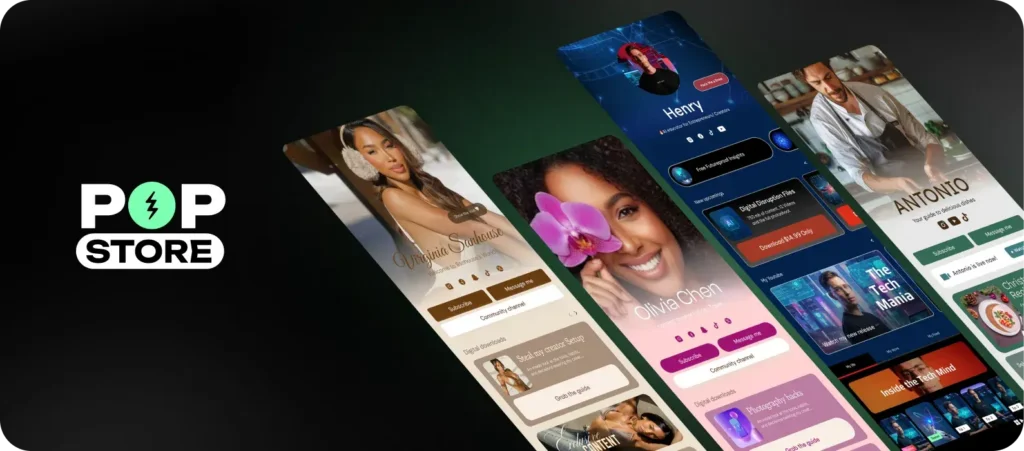
POP.STORE is built for creators who want a single place to bring everything together: audience, content, and monetization without adding complexity. Setup is straightforward, and creators can add links, content, and products in one place while keeping their presence flexible as their business evolves.
Creators still use platforms like Instagram, TikTok, and YouTube for discovery and reach. POP.STORE fits into that flow by helping turn everyday engagement – comments, DMs, reactions into real connections that don’t disappear with an algorithm change.
Linktree
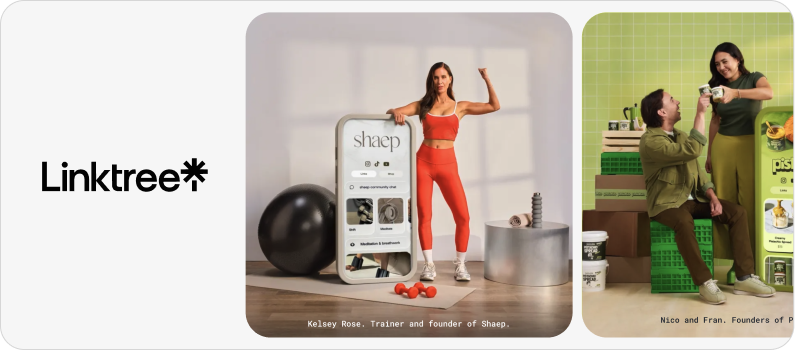
Linktree remains one of the most recognizable tools in the creator ecosystem. Its strength is speed. You can set it up in minutes, add multiple links, and give followers a clear place to go next.
For many creators, especially early on, that simplicity is enough. It helps route traffic from Instagram, TikTok, or YouTube to external sites without friction.
Where Linktree starts to show limits is once creators want more than redirection. Engagement still happens entirely on social platforms. Monetization usually lives elsewhere.
Audience data is minimal. As a result, Linktree often acts as a pass-through rather than a place where relationships deepen.
Best for: creators who need a fast, lightweight way to share links and route traffic.
Beacons
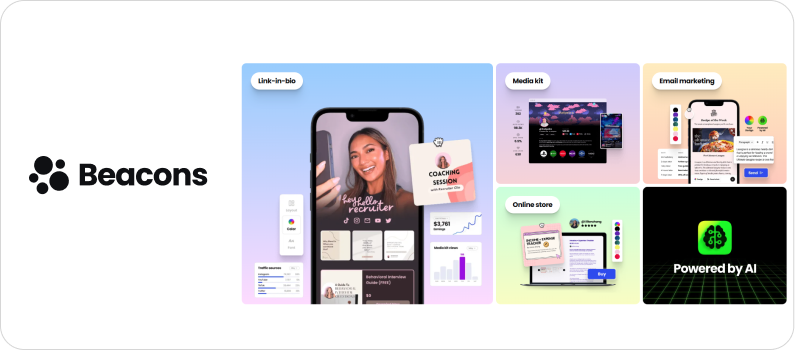
Beacons builds on the idea of a creator hub by offering more customization and features in one place. Alongside links, creators can collect emails, showcase products, and connect other tools.
Audience data is minimal. As a result, Linktree often acts as a pass-through rather than a place where relationships deepen.
Many influencers use Beacons to boost social media engagement by giving followers more ways to interact beyond a single link. It offers flexibility and a more branded feel compared to simpler tools.
Audience data is minimal. As a result, Linktree often acts as a pass-through rather than a place where relationships deepen.
As creators scale, though, things can start to feel fragmented. Engagement, sales, and audience insights don’t always connect into a single, clear picture. Creators often still rely on additional platforms to manage relationships or monetization fully.
Audience data is minimal. As a result, Linktree often acts as a pass-through rather than a place where relationships deepen.
Best for: creators who want flexibility and customization without committing to a single monetization model.
Stan Store
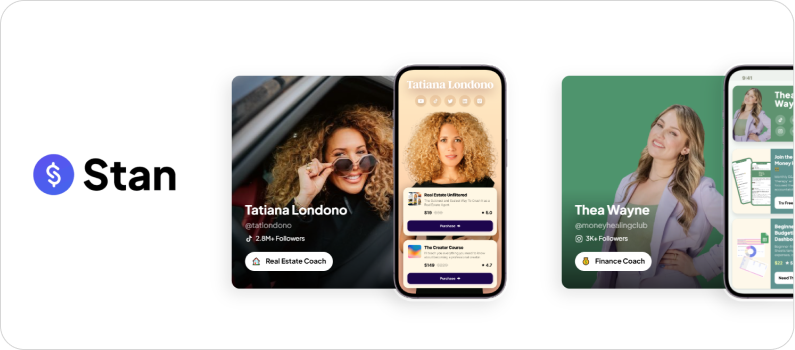
Stan Store is designed primarily as a conversion and checkout platform for creators. Its strength lies in helping creators sell digital products, memberships, and services directly to their audience with minimal friction.
Creators often use Stan Store once they already have attention on platforms like Instagram or TikTok. When followers are ready to buy, Stan provides a clean storefront, fast checkout, and built-in email capture to turn that interest into revenue.
Where Stan Store is less focused is on engagement itself. Conversations, relationship-building, and ongoing audience interaction still happen entirely on social platforms. Stan activates after interest exists, rather than helping generate or deepen that interest over time.
Best for: creators who already have engaged audiences and want a streamlined way to sell digital products, services, or memberships without building complex funnels.
Hoo.be
💥 That’s the difference between a $300 sponsored post and a $3,000 partnership package.
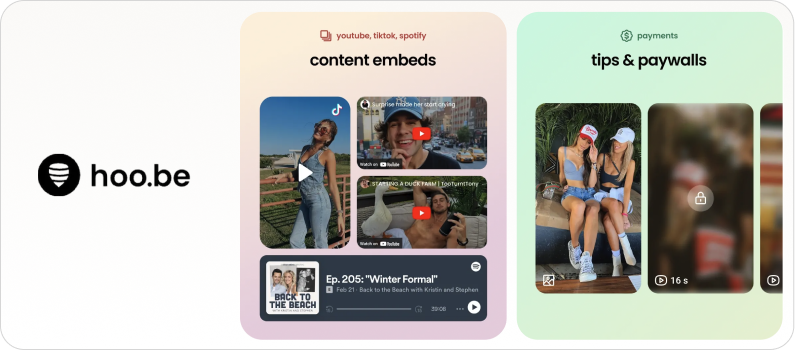
Hoo.be keeps things intentionally simple. It removes complexity and offers a clean experience for creators who want minimal setup and fewer decisions.
That simplicity can be appealing early on, but it also limits how far creators can grow within the platform. As needs expand community spaces, subscriptions, content libraries options remain limited.
Best for: creators who prioritize ease of use over long-term scalability.
Kajabi
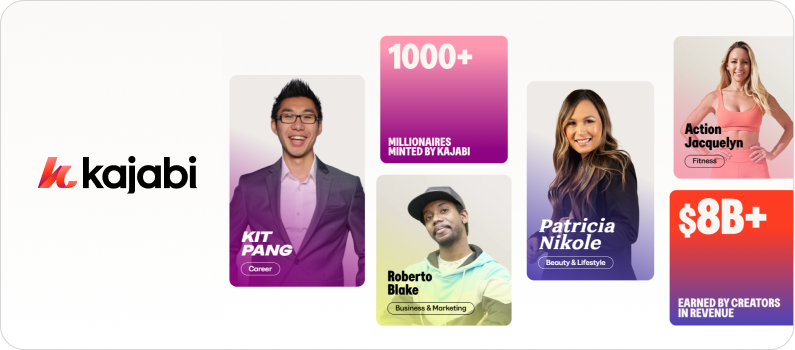
Kajabi is one of the most robust platforms for education-based creators. It excels at structured offerings like courses, programs, and memberships.
For creators running serious learning businesses, Kajabi offers depth and control. But that power comes with trade-offs. Setup takes time. Costs are higher. And Kajabi operates largely outside the social engagement layer where discovery and early interaction happen.
Best for: educators, coaches, and creators running course-first businesses.
Patreon
Patreon helped define the membership model for creators and remains a familiar option for recurring support. It works well for creators who produce ongoing content and have an audience willing to pay monthly to stay connected.₹
The platform is especially effective for predictable subscription income, but over time, some trade-offs have become more visible. The marketplace-style environment, limited customization, and constraints around audience portability can make it harder for creators to fully shape the relationship they build with their supporters. For creators looking to evolve beyond a single monetization model or gain more control over how they engage their audience, this has led to growing interest in alternatives.
Best for: creators with established, loyal audiences who want a straightforward subscription-based revenue stream.
POP.STORE
For creators searching beyond the best platforms for creators, POP.STORE is built for those who want a single place to bring everything together: audience, content, and monetization — without adding complexity. Setup is straightforward, allowing creators to add links, showcase content, and sell products in one place while keeping their presence flexible as their business evolves.
Creators still use platforms like Instagram, TikTok, and YouTube for discovery and reach. POP.STORE fits into that flow by helping turn everyday engagement - comments, DMs, reactions into real connections that don’t disappear with an algorithm change.
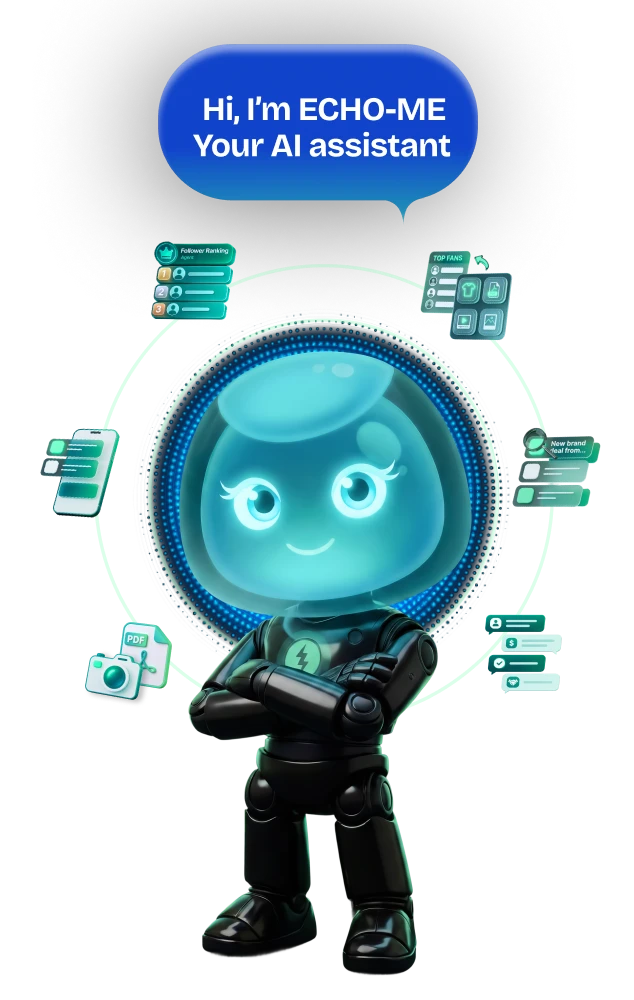
Features like AI ECHO-ME help creators stay active in conversations as engagement grows, while CommentChat guides interested followers from comments into direct actions. AI CHIEF adds clarity by showing who’s engaging, who’s buying, and which content actually resonates so creators can reach the right audience with the right message. From there, creators can monetize through digital downloads, video series, courses, subscriptions, or affiliate products, all without sending their audience across multiple platforms.
Rather than being a single-purpose tool, POP.STORE works as a long-term home base where engagement turns into connection, and connection turns into an audience creators actually own.
Best for: creators who want to grow across social platforms while building direct, lasting relationships and multiple revenue streams in one place.
The Pattern Creators Don’t Notice at First
When you step back and look across the Best Platforms for Creators, a clear pattern starts to appear.
Discovery and engagement almost always happen on social platforms. Comments, DMs, reactions, and shares are where interest shows up first. That is where creators build visibility, credibility, and real momentum.
Monetization, however, usually lives somewhere else. A different tool for selling. Another platform for subscriptions. Yet another place for courses or downloads. Each step pulls the audience farther away from the moment they first engaged.
At the same time, audience data becomes scattered. Engagement lives on one platform. Sales data lives on another. Community interactions sit somewhere else entirely. Creators end up piecing together fragments of insight without ever seeing the full picture.
To make it all work, creators juggle multiple tools switching between apps, links, dashboards, and inboxes just to stay responsive and consistent. Growth becomes harder to manage, not because creators lack ideas, but because their systems aren’t built to flow together.
The real gap isn’t creativity or effort. It’s connection. Most platforms are designed to step in after interest exists, not at the exact moment a follower raises their hand. And that moment when someone comments, replies, or asks a question is where real relationships begin.
Missing that moment is what keeps engagement from turning into something lasting.
Where Creator Platforms Are Heading
By 2026, the direction is becoming hard to ignore. Creators are shifting toward the Best Platforms for Creators that integrate naturally with how social media already works, instead of relying on tools that operate in isolation. Whether it's an AI PDF Creator or an audience management tool, creators increasingly prefer platforms that fit seamlessly into their existing workflows. Comments and DMs are no longer background activity. They are signals of intent that reveal curiosity, interest, or readiness to take the next step. Platforms that recognize, capture, and support those signals are becoming significantly more valuable for creators focused on long-term growth and monetization.
There’s also a growing focus on boosting social media engagement in a sustainable way. Not through constant posting or trend-chasing, but by helping creators stay present in conversations and keep momentum going after content is published.
Reducing friction is another key shift. Every extra tap, redirect, or platform jump makes it easier for interest to fade. The platforms creators are choosing now are the ones that shorten the distance between engagement and action.
Most importantly, creators are thinking long-term. Engagement that disappears after 24 hours doesn’t build a business. Platforms that help turn interaction into ongoing relationships, repeat support, and consistent revenue are becoming the foundation for creator growth.
The future isn’t about replacing social platforms. It’s about choosing systems that work alongside them, capturing interest where it happens and carrying that connection forward.
Choosing the Right Platform for You
There’s no single “best” platform for every creator, even among the best platforms for creators available in 2026. The right choice depends on how you want to grow, monetize, and manage your audience over time — whether you’re a content creator, coach, or even working in niches like Real Estate Lead Generation where audience trust directly impacts revenue.
If your goal is simple link routing, tools like Linktree work well when you just need a clean way to point followers elsewhere.
If you want more customization and flexibility, Beacons gives you room to experiment with layouts, integrations, and different content formats.
If you’re focused on selling digital products quickly, Stan Store is designed to help you launch and convert once interest already exists.
If your work revolves around structured education or long-form programs, Kajabi remains a strong option for courses, coaching, and learning-based businesses.
If you’re building membership-first income, Patreon continues to serve creators who want recurring support from loyal fans.
And if you want a platform that lets you run your entire creator business from one place, POP.STORE is built for that. It brings together community channels, affiliate products, video series, courses, digital downloads, tips, and subscriptions without requiring additional third-party tools. This kind of all-in-one ecosystem is especially powerful in areas like Real Estate Lead Generation, where nurturing relationships and converting engagement into long-term clients is essential. At the same time, it works alongside social platforms, helping you stay connected with your audience and turn everyday interactions into direct, lasting relationships you control.
By 2026, the best platforms for creators and influencers won’t just help you get seen. They’ll help you stay connected, monetize flexibly, and build something that lasts — whether you’re growing a creator brand or scaling something like Real Estate Lead Generation.